Showing posts with label earth care. Show all posts

Sunday, May 10, 2020

Moms Know


Since becoming a mother, some stories from the Bible have changed for me. Maybe you’ve experienced this, too? And one came alive for me in a new way this Easter season. While reflecting on the passion story from the John, I read this passage (John 19:25-27):

25 Near the cross of Jesus stood his mother, his mother’s sister, Mary the wife of Clopas, and Mary Magdalene. 26 When Jesus saw his mother there, and the disciple whom he loved standing nearby, he said to her, “Woman,[b] here is your son,” 27 and to the disciple, “Here is your mother.” From that time on, this disciple took her into his home.

I imagine a completely broken and exhausted mother, leaning on an equally broken and exhausted friend, united in their grief.
“Woman, here is your son. And here is your mother.”

What a powerful act of love and community. It took my breath away, because I understand a little better now what it means to mother—whether my own kids or otherwise—through my years of parenting, teaching, and pastor’s spouse-ing. Moms know.

We are all connected to one another, we belong to one another, and the well-being of one affects us all. Jesus knew this, and even as he suffered and died, he set a powerful example for his followers to take care of one another through difficult times.

In the weeks we’ve been sheltering in place, this has become real in a new way for me, and maybe for you, too. Staying home is something that’s strange and uncomfortable and even hard for me to make sure my community—not just my own family—is healthy.

It also means I’ve also had a little more free time than usual…so, I did a little research about Mother’s Day as I prepared for this message. In the years before the Civil War, Ann Reeves Jarvis of West Virginia helped start “Mothers’ Day Work Clubs” to teach local women how to properly care for their children. These clubs later became a unifying force in a region still divided over the Civil War. In 1868 Jarvis organized “Mothers’ Friendship Day,” where mothers gathered with former Union and Confederate soldiers to promote reconciliation. In 1870 abolitionist and suffragette Julia Ward Howe wrote the “Mother’s Day Proclamation,” a call to action that asked mothers to promote world peace, and campaigned for a “Mother’s Peace Day” to be celebrated every June 2.
And Juliet Calhoun Blakely, a temperance activist also connected to the underground railroad, inspired a local Mother’s Day in Albion, Michigan, in the 1870s. I just had to add this in here, as my husband and I attended Albion College and often passed by the placard placed outside her family’s home in her honor.

So Mother’s Day has at its core education, reconciliation, community, and peacemaking. Because mothers know that we belong to each other and that it takes a village to raise a child.

But like most holidays, it has strayed far from its original purpose. Ann Reeves Jarvis had originally conceived of Mother’s Day as a day of personal celebration between mothers and families. Following her mother’s 1905 death, Anna Jarvis conceived of Mother’s Day as a way of honoring the sacrifices mothers made for their children. Her version of the day involved wearing a white carnation and visiting one’s mother or attending church services. But once Mother’s Day became a national holiday, it was not long before florists, card companies and other merchants capitalized on its popularity. By 1920 Jarvis had become disgusted with how the holiday had been commercialized. She outwardly denounced the transformation and urged people to stop buying Mother’s Day flowers, cards and candies. She launched countless lawsuits against groups that had used the name “Mother’s Day,” eventually spending most of her personal wealth in legal fees. By the time of her death in 1948 Jarvis had disowned the holiday altogether, and even actively lobbied the government to see it removed from the American calendar.

We do this a lot as humans—take a good thing and make it not so good. We forget the heart of what we are called to do: loving one another as God has loved us, just like our mamas and Jesus taught us. So what does that love look like, and how could we honor Mother’s Day today?
Well, by doing what our mamas taught us.

Clean up your own mess.
How often do you recycle? Do you even know how or where to dispose of recyclable materials in your area? And do you know how long recyclable materials hang around in landfills, contributing emissions that dirty our air and water?

Be fair.
Did you know that in Illinois, most coal fired power plants and transportation hubs are located in communities of color? That means our energy consumption and consumer demand harms our brothers and sisters living in those areas in the form of asthma and other respiratory issues. Black children are 10 times more likely to die of asthma-related causes than white children. 

Don’t waste.
Did you know 30-40% of food in the United States is wasted? Think of all the people that are hungry and could really use that food. Think of all the energy and time that it took to produce, transport, and prepare that food—all wasted.

And a cousin of “don’t waste”: turn off the lights when you leave the room!
If you’re still using the old 60-watt incandescent lightbulbs in your house, you should know that it wastes up to 90% of its energy as heat – only 10% of its energy is spent actually producing light. If that huge waste of energy isn’t enough to convince you to switch to LED bulbs, then here’s another reason: Leaving your lights on an extra 8 hours a day adds up to a waste of $900 a year! I can think of a lot of things I’d rather spend $900 on. Leaving your LED lights on all day isn’t quite as costly, but it’ll still cause a significant dent in your annual energy bill. 45 LED lights left on while you’re at work will cost you an extra $180 a year. If you flip those switches off, you could save enough for an annual gym membership. And let’s not forget, when we put demand on the grid to power things that we’re not even using, we’re harming those that live in the path of coal-fired power plants.


Look after your brother or sister when I’m not around.
We’re all we have. And this is the only planet we have. We need to find ways to leave this planet a little better than we found it—another lesson from Mom—and perhaps we can use this time of social distancing to form some new habits and consume less.

Jesus knew. Moms know. We belong to one another, and when we take care of the earth, we’re caring for our brothers and sisters around the world, in space and in time.
Happy Mother’s Day.


Sources:

Saturday, June 1, 2019

Animal Conference

When Harper was little, she called the annual gathering of clergy and laity of the Illinois Great Rivers Conference “animal conference”. We did correct her, though gently and with humor,  because it was adorable and funny.

Just this week, Harper informed me that she knew it was called “Annual Conference” now. She could pronounce it correctly. If we jokingly tried to get her to say “animal conference” again, she’d roll her eyes and remind us of how old she is now and how she’s learning and growing every day.

This week we’ll be traveling to Peoria to participate in the 2019 Annual Conference. There’s much work to be done, much to be celebrated, many friendships to renew, and deep conversations to have. Our conference is large and covers a lot of ground, so sometimes Annual Conference is the only chance we get to see certain pastor friends and their families. We look forward to it every year, kids and adults alike, even though it can be an emotionally and physically demanding time.

I’ve been reflecting on church a lot this week, as I’m running for a lay spot in our conference’s delegation to the 2020 General Conference in Minnesota. This is a big responsibility, as the delegation will be voting quite literally on the future of the United Methodist Church. After the special 2019 General Conference in St. Louis was called to decide on the UMC’s policies on human sexuality, many have wondered if they can stay in a church that actively excludes beloved children of God. Some have left, unable to stay part of an exclusive and harmful system. Some are staying to try and repair, restitch, or revision the big tent that has long been the UMC—people who are challenged by full inclusion of our LGBTQ sisters and brothers working alongside those that are not because our contexts may be different but we still love Jesus and work for the transformation of the world.

The Christian church in the US (and elsewhere) has been in decline for decades. Fewer and fewer people are opting to raise their families in church. There are many reasons for this: Sundays are no longer sacred, and many folks have to work or attend kids’ sporting events that day; churches may not offer the programs families are looking for; in rural areas, churches can be few and far between; churches can be insulated and unwelcoming to newcomers; people not raised in a church themselves are less likely to raise their own kids in church; church can be seen as hypocritical and antiquated in modern society, failing to feed the hungry and minister to the stranger while holding fast to white supremacy and patriarchy; or simply because people don’t see the point of church anymore.

The United Methodist Church is facing hard decisions. These decisions are not limited to what to do about human sexuality, but those are the ones getting the most attention. To me, it comes down to what our vision for the future will be: will we work toward a just and sustainable Church, where we prioritize care for the earth and each other? Or will we continue to maintain the status quo, which is doing harm to people everywhere?

Much like Harper learned to correctly say “Annual Conference” after patient guidance from those who love her, are we making space for the young members of the church to lead us in a different way? Young people raised in the church, like Todd and I, have been nurtured and challenged in our faith and are feeling a need to lead differently than in the past. Will we trust these emerging leaders? Or will we retreat to how things have always been done hoping our comfort will save us? What would Jesus do in the face of broken systems of oppression that are doing harm to his children?

Church has a terrible history. Church has a deep tradition. Church can have a beautiful future that recognizes these realities but tries to keep moving forward with love and justice as our guide. That’s what I’m praying for this week. I invite you to join me.


Monday, December 10, 2018

The Hope Candle Burns the Longest

I spent the first days of Advent in warm and sunny San Antonio, to meet and strategize with my fellow Jurisdiction Guides about the UMW Climate Justice goals for 2019.

This year we brought together several community organizations for a UMW event in Rio Texas Conference.  We introduced our Just Energy 4 All campaign, which focuses our advocacy and action around decarbonization of the transportation and energy sectors. We are doing corporate engagement with Ford and Chevron, advocating for stronger environmental standards at the EPA, and educating our members on our 13 Steps to Sustainability. We do these things together--big policy and systemic change in addition to small personal change--because there is no silver bullet to solve the climate crisis. We need all of it.

We heard about the dangers of oil and gas industry from many perspectives. We heard from Sister Elizabeth Riebschlaeger, who has concerns about oil and gas workers and the lies they've been told about the health impacts of their work. She understands that the poor, rural residents of Karnes County, TX have been taken advantage of, promised tax revenue and jobs in return for leases to their land. Instead, drinking water wells have been poisoned, habitats destroyed, and the promised profits never materialized. Being good, neighborly folks, though, the residents don't want to make any trouble. So they allow the fracking to continue. But as Sister Elizabeth says, we're all children of God and deserve to live with clean land, air, and water.

We heard from Adelita Gonzalez Cantu from the Alliance of Nurses for Healthy Environments. She shared the health impacts of the oil and gas industry in Karnes County, TX. It's true that unemployment has decreased since fracking arrived, but health issues like rashes, cancer, STDs, respiratory problems, crime, and pregnancy complications have increased. Another little known effect of fracking: increased traffic, noise and light pollution, insomnia, and stress. The fracking pads run day and night and are brightly lit. This makes it difficult for residents to sleep. And people who don't sleep well can suffer a host of other issues--addiction and marriage and family problems most notably. As one of her patients told her, "I know we can't make them [fracking companies] go away, all I want is for them to be good neighbors."

We also heard from Eloisa Portillo-Morales from the Office of Sustainability in the City of San Antonio talk about their Climate Action and Adaptation Plan. Efforts to retire coal plants, increase solar, plant trees, and welcome climate refugees have been largely successful and ongoing. Their goal is an, "equitable, environmentally resilient, and economically viable future."

The UMW attendees listened and asked questions. They prayed and reflected. They participated in a Climate Justice Simulation Experience using a scenario from the Little Village community in Chicago that suffered environmental injustice from some dangerous coal and industrial plants. This was perhaps the most impactful part of the event, as participants were asked to assume the role of a member of the impacted community. Tears were shed and anger and despair were expressed. 

To be honest, though the event was a success, I felt weary. I'd heard and seen the health impacts of oil and gas this very same week last year in Pennsylvania. It was upsetting to know that these injustices were not isolated and that they were continuing.

I arrived back in southern IL tired from my travel and missing my family and routines. In my attempts to set things right, I unpacked our Advent wreath and Jesse Tree devotional. In our move this summer, our Advent candles were damaged (or perhaps melted from the heat) and replacements were needed. But as I held the lumpy purple and pink wax in my hands, I noticed the difference in size. One purple candle was quite small in comparison to the others. Having grown up lighting an Advent wreath, I knew why: the first candle of Advent, the Hope candle, burns the longest.

I was immediately comforted. When I feel like the world is falling apart and I alone can save it (LOL), I'm reminded that Christians were made for such a time as this. We've long been on the front lines of social change, and we can be here at the peak of the climate crisis, too. Sometimes that will look like testifying at an EPA hearing, as I did on behalf of UMW in September. Sometimes that will look like encouraging our churches to stop using styrofoam or starting to compost. We do all of this because we hope--hope to change, hope to save, hope to create a better world for our children.

The hope candle burns the longest. It will burn all throughout Advent. And it can burn in us well after. My prayer is that it might kindle our hope into action, and that those actions will catch fire in our churches and communities.


Sunday, November 25, 2018

Hungry Ghosts

 "There once was a man who was giving and kind. One day he was about to leave his house when a monk came by begging. The man instructed his wife to give the monk some food. After the man left his house his wife was overcome with greed. She took it upon herself to teach the monk a lesson, so she locked the monk in an empty room all day with no food. She was reborn as a hungry ghost for innumerable lifetimes." (source)

A few months back I heard a Buddhist teacher use a term I'd never heard before: hungry ghosts. In Buddhist and Taoist tradition, hungry ghosts are the wandering souls of people who endured particularly violent or unhappy deaths. Hungry ghosts can also emerge from neglect or desertion of living ancestors--that is, when they've been forgotten by their living relatives. According to tradition, desire, greed, anger, and ignorance in life are all factors in causing a soul to be reborn as a hungry ghost, because these behaviors cause people to perform evil deeds.  

Ultimately, hungry ghosts are unable to take in what they desperately need. The problem lies in their constricted throats, which cannot open for nourishment. They wander aimlessly in search of relief that never comes.

This idea keeps coming back to me, especially as I watch the news these days. Desire, greed, anger, and ignorance are in seemingly unending supply. Though I'm a Christian and don't believe in reincarnation or karma based on my actions--good or bad--during my lifetime, I do believe that I will answer for my actions when I die, and I do think the behaviors of previous generations can impact future generations.

I've been learning about and reflecting upon the recent IPCC Climate Report, which states that we have 12 years to limit a climate catastrophe. The world’s leading climate scientists have warned that an increase in temp even half a degree beyond 1.5C will significantly worsen the risks of drought, floods, extreme heat and poverty for hundreds of millions of people. The half-degree difference could also prevent corals from being completely eradicated and ease pressure on the Arctic.

The root causes of this catastrophe? Over-consumption, greed, and a general lack of care for the poor. We have forgotten that the earth is a gift and caring for it reflects our love of creator and neighbor. And our children will bear the brunt of our mistakes.

As we enter the season of Advent, I'm trying to focus myself and my family on the birth of Jesus and not presents and busyness. I'm trying to teach them to be content with what they have and thoughtful about what they give. I'm hoping to show them how to take in the nourishment they need: family time, rest, good food, quiet. Most of all, I'm teaching them to care for others, like we read about today as we celebrated Christ the King Sunday:

"Then the righteous will answer him, ‘Lord, when did we see you hungry and feed you, or thirsty and give you something to drink? When did we see you a stranger and invite you in, or needing clothes and clothe you? When did we see you sick or in prison and go to visit you? The King will reply, ‘Truly I tell you, whatever you did for one of the least of these brothers and sisters of mine, you did for me.’" (Matthew 25:37-40)

For me personally, that means participating in my 4th Dressember, where I'll wear a dress every day in December to raise funds and awareness for the millions of women and children impacted by human trafficking. For my family, that means coordinating and giving to our church Angel Tree and being mindful of our consumption at the holidays--decreasing our food and paper waste, recycling all we can, and keeping to our Want Need Wear Read gifts rule (even asking the grandparents to join in this year!). 

How are you and your family fighting for what you really need this holiday season?


Friday, April 6, 2018

Ask a Green Person {Earth Month Series}

There once was a column I followed called "Ask a Clean Person". That got me thinking...and from that idea was born "Ask a Green Person", my first installment of my Earth Month Series for 2018.

My first ever question comes from Patti. P.:
Q: What does green living look like in daily life?

A: This is a big topic, so I'll break it down into smaller sections. My family's daily care for creation takes shape in a few areas: food, waste, cleaning, and energy/transportation.

FOOD:
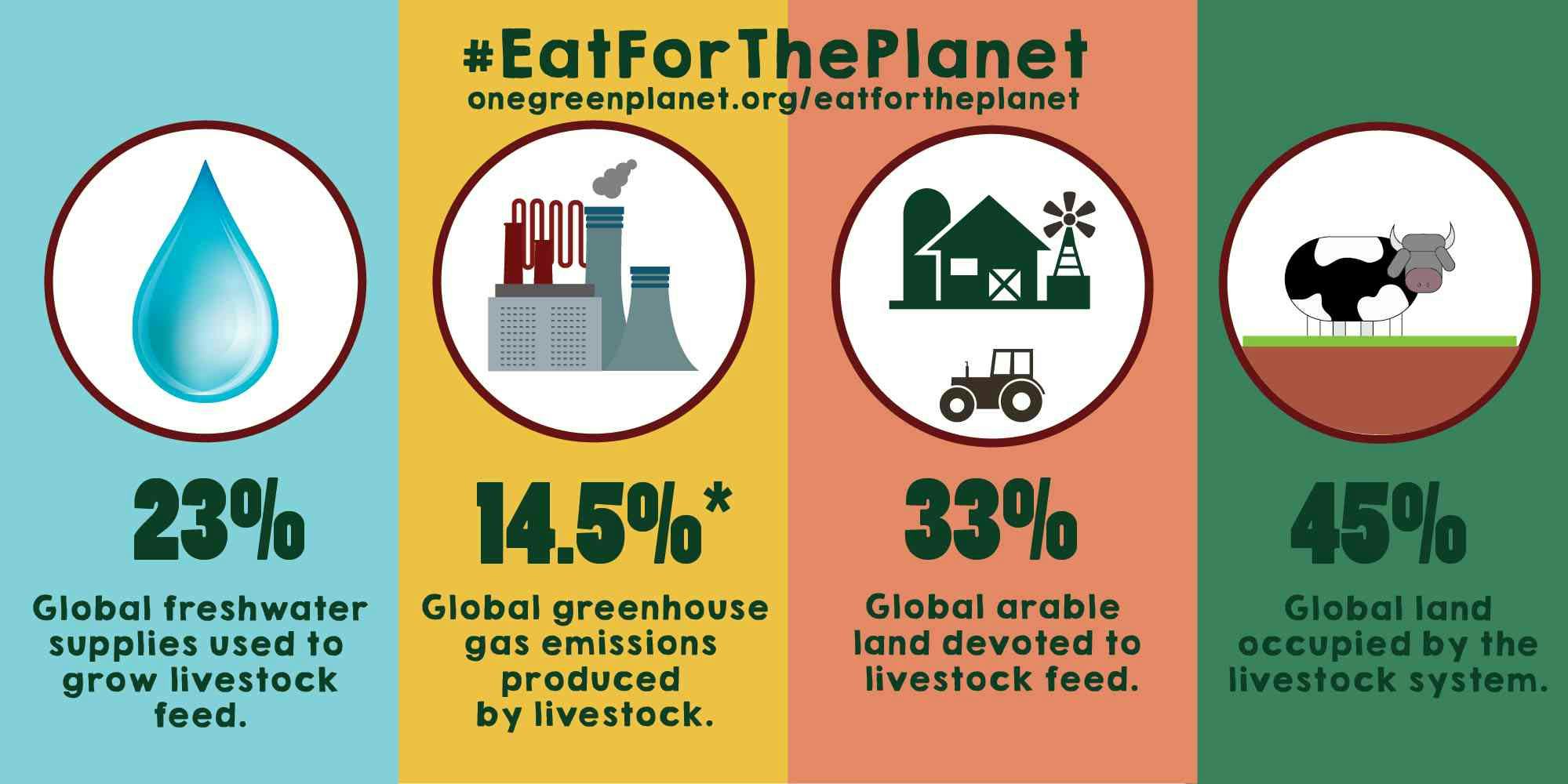
Food in our house is mostly vegetarian. I'm the cook, I'm a vegetarian, therefore I cook vegetarian. My vegetarianism comes from a desire to decrease my carbon footprint and improve my health (and
the health of my family) by eating a plant-based diet.


Image result for decreasing meat consumption is good for the planet
Image taken from: https://www.bustle.com/articles/149271-the-single-biggest-thing-you-can-do-for-the-environment

Last year we purchased a share in a local CSA First Fruits Homestead, which yielded us fresh, local produce and the ability to form a relationship with the people who grow our food.

WASTE:
We compost our food scraps and use it to fertilize our garden in the spring. We recycle all paper, cardboard, and plastic that we can locally. We try not to buy overly packaged products. We use our own grocery bags instead of plastic ones. We pack lunches in reusable containers and baggies. We use stainless steel straws instead of plastic and steer clear of other single-use plastic items. We're working on remembering to keep reusable mugs and take out containers in our cars so we can avoid styrofoam cups and take out containers.

CLEANING:
I subscribe to two eco-friendly products services: Grove Collaborative and Mighty Nest. Both of these services help me find non-toxic and eco-friendly cleaning products as well as personal care products and home goods. I'm a big fan of Method products, which are eco-friendly but also meet rigorous standards of social and environmental performance, accountability, and transparency. Using eco-friendly and non-toxic products is good for the environment and good for my family, reducing the amount of chemicals in our bodies and watersheds.

ENERGY/TRANSPORTATION:
We drive a plug-in hybrid car. We try to fit as many errands as we can into one trip into town. We use a programmable thermostat, close unused air vents, use LED light bulbs, unplug items like cell phone chargers when not in use, and do all our wash with cold water.

Green living is more than fancy products or a holier-than-thou attitude: it's a way we show love for our creator and care for our neighbors.

What are your best green living tips? Post them in the comments below.
Want to submit a question? Email me at christina.krost@gmail.com. 

Thursday, December 7, 2017

Lifting the Fog

Take no part in the unfruitful works of darkness, but instead expose them.
Ephesians 5:11

It's foggy in Pittsburgh. It's the kind of fog that prevents you from seeing down the street, but not out your window. This creates a sense of insulation and isolation--that you're all alone in space rather than part of a large urban city. The fog is probably because of Pittsburgh's hilly topography, or the convergence of the Allegheny and Monongahela rivers, or the unseasonably warm weather in the first weekend of December.


I found myself in Pittsburgh for a meeting of the United Methodist Women Be Just Be Green Jurisdiction Guides. We came from around the United States to set outreach goals and strategy, decide how to communicate our advocacy campaigns to our members, and plan our presentations for Assembly in 2018. Because our advocacy campaign is about methane and natural gas extraction or "fracking", we organized a visit to local communities in Pennsylvania impacted by the natural gas industry. We partnered with local activists and families and listened to their stories.

Fracking is the process of injecting water, chemicals, and sand underground to fracture rocks (like shale) to release gas. The process uses large amounts of water which,when mixed with fracking chemicals, becomes toxic. Fracking also releases methane, a greenhouse gas 84 times more potent than carbon dioxide.

When fracking began to increase in Pennsylvania in the early 2010s, fracking operators claimed that the United States had a 100 year supply of cheap natural gas and that fracking could help lead to energy independence. They also promised jobs. What has happened instead is a devastation of land, air, and water in the name of progress. The majority of the jobs created were temporary construction jobs. It is very unlikely that natural gas will be used to heat our homes and power our vehicles for the next generation, as the supply has been overestimated. We may already have passed the peak of natural gas extraction. It is rapidly becoming too expensive to extract natural gas--the energy return on energy invested (EROEI) profit margin is closing.

What is clear are the health and environmental risks from fracking. Allegheny County, where Pittsburgh is located, is in the top 2% for cancer risk from air pollution. Up to 14% of Pittsburghers suffer from asthma as compared to the national average of 8%-10%. Asthma acutely impacts children, and is a leading cause of chronic school absenteeism. Air pollution exacerbates cardiovascular disease and is a significant cause of premature death among those with preexisting cardiovascular conditions. Air pollution has been connected to autism, diabetes, and dementia.


We toured Beaver County, PA where Shell is planning to build an ethane cracker plant, the largest petrochemical facility in North America. This plant will increase demand for fracked natural gas which will be turned into plastic. It will also trigger the construction of an ethane pipeline system that will cross the Ohio river.


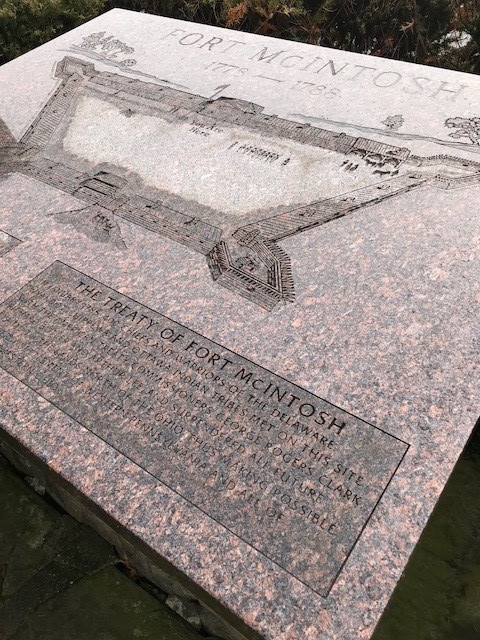
I was struck by a stone marker I read at one of our tour stops. The land where the cracker plant is being built was gained by treaty with the Delaware, Wyandot, Chippewa, and Ottawa Indian tribes. Its devastating to think of how we've abused the land, air, and water that was never ours to have.

We continued on our tour to Washington County, the most heavily fracked county in Pennsylvania. We saw fracking pads and waste water retention ponds within 900 feet of an elementary school. We heard about the mystery surrounding chemicals in fracking fluid and methane emissions, which the fracking operations fight not to disclose. We watched as several large trucks full of fracking waste merged onto a highway and wondered aloud what would happen if one of the trucks spilled it's contents.


We met a man and his son who live with a fracking well in their backyard. The man has suffered a brain tumor which robbed him of his sight in one eye. He has kidney disease and endocrine problems. His son is incontinent. He has learning and attention problems. He was burned by an unseen chemical in his bathtub water as a small child. We met a mother who's child has leukemia. We met a mother who has to keep air quality monitors in every room of her house to keep an eye on the particulate matter in her air. They can't drink their water. They're concerned about the animals on their farm. They are watching their land be poisoned in front of their eyes, but since the fracking well isn't technically on their land they have no legal recourse. No one can move because they can't sell their homes.
 

As our tour progressed, the fog lifted. The sun began to shine. And the shadows around the fracking industry lifted. I saw with clarity the lies, corruption, manipulation, and greed. The evil of putting profits over people was exposed. But I felt a small sense of relief that fracking wasn't going on in my backyard--my children were safe. And then three days after I returned home from Pennsylvania there was a natural gas pipeline explosion in Illinois that killed 2 people, a father and son working on their farm. If you don't think natural gas affects your community, think again.

But the fog is lifting. There is hope. There are dedicated activists like Moms Clean Air Force, Clean Air Council, and Protect Our Children fighting to shine light on this industry and protect our common land, air, and water. There are resources like the Oil & Gas Threat Map that can help you assess your family's risk. Don't be afraid to educate yourself about fracking, speak to your representatives, and write letters to the editor. Speak truth to power. The only way to make change is to do the hard work. We cannot turn a blind eye to our brothers and sisters suffering in Pennsylvania, or Texas, or Oklahoma. But if we work with one another, we can lift the fog together. 


Thursday, August 24, 2017

Shareholder Report

This summer I purchased a share from First Fruits Homestead, a local Community Supported Agriculture (CSA) farm. Every other week for 14 weeks I received a box of locally grown fresh produce for an up front investment of $200.

CSA Week 13, photo credit First Fruits Homestead
I got to see where my food was grown, I became friends with my farmers (or farmHERS), and my family got to try new foods and new recipes. Overall, it was a great experience.

Here are the top 10 things I learned with my first CSA share:

1. Garlic Scapes are a thing. You will get a lot of them early in the season. Learn how to use them here.
2. Eat the salad greens first.
3. Elephant garlic is not garlic. But it's tasty in it's own way.
4. You will not be able to eat all the tomatoes, cucumbers, or zucchini you receive. Learn how to preserve or can these things for later. I made and froze tomato soup and bread and butter pickles.
5. Get the kids involved in finding recipes. We like these 3 plant-based diet cookbooks: Oh She Glows Everyday, Forks Over Knives Family, and The CSA Cookbook.

I highly recommend supporting your local farmers by purchasing a CSA share.  Use this site to find a CSA near you.

What's you favorite recipe to use with your summer produce?

Friday, May 5, 2017

What I learned from arguing with a pig farmer

Recently I was invited to preach at a church near me about the importance of creation care. I carefully crafted a sermon that I thought was equal parts faithful, educational, and challenging. Though I was terrified for my first preaching experience, I thought it went well. At the very least I didn't die of embarrassment or pass out from nerves. I received positive feedback on my appearance (that's a blog post for another day), my speaking voice, and my message. I was thanked for my work and for teaching the congregation something new. Several people pledged to increase their efforts to reduce their carbon footprint. It was an encouraging day.

A few days went by and I received a phone call from one of the pastors. It seems one of the members of the congregation was enraged by my message and the pastor thought he was in need of  a follow up. So I gave him a call.

What happened next was perhaps the most formative experience I've had to date about how to have a difficult or emotionally-charged conversation with someone with which you disagree. Here's what I learned:

1. Listening to understand and listening to formulate a response are not the same thing.
I like to debate, and I like to win. But when you're trying to form or maintain relationships with people, you need to suspend this desire. The best thing I could do in this situation was to make sure the person felt heard. So I listened. This can be disarming to the person you're disagreeing with, because they're not expecting this grace.

I took time to let the pig farmer explain why he was so angry. I didn't interrupt. As it turned out, he wasn't even sure why he was angry. So I was able to ask some clarifying questions to direct our conversation.

2. How you say what you say matters.
I like to be right. And I felt deep-down that this gentleman was wrong. But instead of using a sarcastic tone or superior attitude, I remembered that he deserves the same respect and grace I do. I recently watched a Ted Talk by Sally Kohn in which she said, "You can be politically right but emotionally wrong". Your tone, attitude, eye contact, and body language can determine the outcome of a disagreement just as much as your words can.

My desire was to build a bridge with the pig farmer, not to win a match. And because this was technically a work interaction, I stayed in professional-mode. I gave him the benefit of the doubt--maybe he was having a tough day personally or professionally. Perhaps he was caught off guard that I actually called to talk and he was unprepared for such a conversation.  

3. Ask, "Why do you feel that way?"
In a recent episode of Ana Marie Cox's podcast With Friends Like These she talked about putting on her journalist hat during difficult discussions. She said that asking this question often shifted the tone of the conversation because a person stopped defending ideas and started embracing feelings. This can dramatically change the conversation. It can also yield important reasons why a person holds a particular view: a painful event from his/her childhood, a anecdote from a friend or family member, a deeply held fear. The listener can then begin to feel compassion for the person and perhaps see where this person is coming from in a new way. 


I asked the pig farmer this question late in our conversation. I should have started here. Some of the most useful parts of our conversation came from this line of questioning. I could hear the pain in his voice as he explained how difficult it is to make a profit in his industry and how a changing world and economy terrified him. It was then that I saw him as a real human person and not a stereotype.

4. Restate/explain/clarify your position
People hear things wrong. People connect dots that you don't intend for them to connect. So you may need to say, "let me make sure I understand what you're saying."


It turns out the the pig farmer has misheard me. He was so worked up about something I said early in the sermon that he missed an important connecting point later in my message. I offered to email him my manuscript. He declined, but I was glad I could offer that clarification.

5. Acknowledge that you both have rational, valid points even if you disagree.
This is perhaps the place where relationships are made or broken. Even if we disagree on a topic, we might have the same end goal in mind. We may each have a different vision of how to achieve these goals, and that is OK. It's important to find what we have in common and end on a positive note.

I discovered through our conversation that the pig farmer wanted to be more sustainable but that it wasn't always possible because of regulations or budget. But he listed several things he does at his farm to try to tread lighter on the earth. I do whatever I can to reduce my impact on the planet, too. I go about it a different way than he does, but we both are doing what we can. That's common ground. That's relationship building.

I've not spoken to the pig farmer again, but I am grateful for the lessons I learned from our conversation. And I'm hopeful that I could learn more about his industry and build a relationship with him in the future, as I have space in my friend list for a pig farmer.

So, how do you have difficult conversations? What would you add to this list? 

Friday, April 21, 2017

How I Know What I Know {Earth Month Series}

This is post 3 of 5 in my Earth Month Series. You can find post #1 here, post #2 here, and post #3 here. 

People ask me all the time, "How do you know all of this stuff about the environment?" The truth is I'm self taught. But you, too, can know what I know by checking out the following links:

Social Media/Websites:
I've linked the websites below, and you can find social media links to follow on your preferred platform on each individual page.
The Story of Stuff

1 Million Women

Be Just Be Green

Climate Progress

Faith in Place

Interfaith Power & Light

TreeHugger

350.org

Yes! Magazine

Environmental Voter Project

Moms Clean Air Force

Climate Reality Project


Books (that I've actually read):
 Climate Justice: A Call to Hope and Action

How to Raise a Wild Child: The Art and Science of Falling in Love with Nature

The 6th Extinction

A Hopeful Earth: Faith, Science, and the Message of Jesus


What should be added to this list? What sites and books teach you?


Monday, April 17, 2017

Top 5 Reasons I Love my Plug In Hybrid {Earth Month Series}

This is post 2 of 5 in my Earth Month Series. You can find post #1 here and post #2 here. 

Last August my husband and I purchased a 2013 Ford C-Max Energi. We had strict criteria in finding a plug-in hybrid and this ticked off all the boxes for us, from price to cargo to seating capacity to fuel economy. It has been one of our wisest purchases, and also one of our most researched.


So here's a quick roundup of the top 5 reasons we love our plug-in hybrid, aside from the obvious carbon-saving reasons:

1. We save a lot of money on gas.
The money we've saved on gas would cover 2.5 car payments, and we haven't even had the car for a year. Some days we're able to use only the battery without switching over to the gas engine. But even when we're on longer trips we get nearly 40 miles per gallon.

2. It's fun to drive.
The car is small and nimble but still feels solid and safe. It's quick off the line. It's easy to maneuver into parking spaces. In short: it's everything my minivan is not.

3. It fits the whole family.
This is the main reason we chose the C-Max over a Chevrolet Volt--seating for 5. And I can even fit a week's worth of groceries in the trunk. The are places to put all the odds and ends that a young family accumulates--snacks, drinks, books, etc. It's not the car we'll take on long road trips, but it's just perfect to drive into town for dinner or to run errands.

4. Tech features.
We're enjoying the Ford Sync system. Todd and I both have taken lots of calls in the car and it's very convenient and safe to do so while driving. And our inner data nerds love that we can control and follow the car's stats through an app on our phone. It's as close to The Jetsons as we can get in 2017 within our budget.


5. Less maintenance.
We've only needed one oil change since we've bought the car. And aside from a recall repair we were made aware of a few months after getting the car it's only been in the shop once for a minor issue.

We're glad to be early adopters of this plug-in technology, signaling to the auto industry that people really do want these kinds of cars. It's evident that the market is changing with the Tesla 3 and Chevy Bolt coming out soon with vehicles that get over 200 miles range on a battery charge. And with the advent of increased wind and solar technology, it will become cleaner than ever to power this car with every passing year.

What's are your hesitations with plug-in or hybrid cars? Or why do you love yours? Post your comments below!


Saturday, April 8, 2017

Why the Future Energy Jobs Bill Should Matter to People of Faith {Earth Month Series}


This is post 2 of 5 in my Earth Month Series. You can find last week's post here.  

In November 2016, after more than two years of intensive negotiations, Illinois’ General Assembly passed the most significant piece of climate and clean energy policy in the state’s history. The Future Energy Jobs Act (SB2814; Public Act 99-0906) moves our electric sector toward a more modern, low carbon economy. This bill is a victory for people in every community across Illinois who deserve more jobs, lower electric bills, and healthier air to breathe. It’s also a victory for businesses in Illinois in the clean energy sector and across the economy, and a signal to companies across the nation that Illinois is fertile ground for growth in this field--a field growing 12 times as fast as the US economy. 

The narrative on the bill has incorrectly focused on aid given to a pair of nuclear plants*, but this bill is all about the future with major emphasis on energy conservation and clean renewable energy. Approximately 70% of the funds from the overall legislation will focus on kick starting clean energy, which dwarfs the dollars going to aid the two nuclear plants, and will help chart the path toward a clean, modern energy economy for decades to come—bringing tens of thousands of new jobs, billions in private investments, cleaner air and needed savings on monthly electricity bills, statewide. 

What's especially exciting is that this bill will open up opportunities to people in low-income communities who too often have been shut out of participating in the clean energy economy. This bill invests more than $750 million in low-income programs, including the Illinois Solar for All Program to prioritize new solar development and job training in economically disadvantaged communities. Specific programs will deliver job training and creation for returning citizens (ex-offenders) and foster care alumni.

So why should this matter to people of faith? Because this bill stands up for environmental and economic justice for our neighbors and is a way to work toward healthier communities for all. Illinois leads the US in the number of fossil fuel burning plants located in communities of color. And low income residents use a higher percentage of their total expenses on energy than higher income families do. This legislation helps level the playing field, rids our air of pollution, and brings jobs to communities often left behind.

But this legislation needs your help. Though the Future Energy Jobs Act takes effect on June 1, 2017, it's in danger of losing its funding. The funds, called the Renewable Energy Resources Fund (RERF), are in danger of being swept into other programs because of the budget crisis. Sweeping these funds sweeps away the hope of lower utility bills, workforce development and job training, and cleaner air. I encourage you to call your state representatives about HR234/SB234 and ask them to protect the RERF funds.

While we wait for more solar and wind energy, you can still become a smart energy consumer. Learn how to use your smart meter or enroll in a Peak Time Rewards program or Power Smart Pricing program through Ameren. Or email me about bringing a Smart Energy Workshop to your house of worship.

*source: https://swww.nrdc.org/experts/nick-magrisso/future-energy-jobs-bill-path-illinois-bright-clean-energy-economy
 
BLOGGER TEMPLATE BY DESIGNER BLOGS